
How Churches Can Help Children in the Philippines
Churches can help children in the Philippines through prayer, practical giving, and a lasting interest in local ministry. At Payatas Mission Outreach, sharing the Gospel of Jesus Christ goes hand in hand with caring for children and families.
This page shares Pastor Jack Wilson’s experience of beginning ministry in Payatas in 2006 and invites churches to consider the work for themselves. Below are five ways a congregation can take part, followed by his personal account.
5 Ways Churches Can Help Children
1. Pray for children, families, and missionaries
Churches can help children through faithful prayer. Include the ministry in your church’s prayer time. Read our updates so you can pray with an understanding of the people and work involved.
2. Support meals and everyday needs
Churches can help children by contributing toward feeding and other practical care. Explore what we do here to see how Gospel outreach, food, clothing, and education fit together.
3. Encourage education and learning
Churches can help children pursue education. Our ministry encourages children from early learning through college. Talk with us about current needs and how your congregation might support that work.
4. Stay informed and share the work
Read our ministry updates and learn about our missionaries. Churches can help children by keeping the congregation informed and inviting thoughtful questions about the ministry.
5. Discuss a lasting partnership
Consider whether your church can give regularly or support a particular need. Contact us to discuss your questions, and review why give before deciding how to take part.
Explore the Ministry Before Your Church Gives


Questions Churches Ask About Helping Children
Where should our church begin?
To explore how churches can help children, begin by learning about the ministry before making a financial commitment. Share this page with your pastor or missions committee, read our purpose and statement of faith, and look through the ministry updates. These resources give your congregation a starting point for discussion. Make a list of questions about the work, the people involved, and the needs your church would like to understand better. Then contact us. Churches can help children most thoughtfully when they take time to understand the ministry they are considering.
Can a small congregation take part?
Churches can help children even with a small budget. A church does not need to begin with a large commitment to take an interest in this work. Prayer, learning about the ministry, and sharing accurate information with the congregation are useful first steps. If your church wants to give, discuss an amount that fits its own budget and responsibilities. Ask about current needs rather than assuming that a particular project or item is needed. A realistic commitment gives the congregation time to learn, ask questions, and decide how it would like to remain involved.
Should we send clothing or give toward practical needs?
Churches can help children by sharing useful clothing. Our ministry receives clothing from supporters and provides practical care for children. Before collecting or shipping items, please contact us to discuss what is currently useful. Ask about the type and condition of items, the intended recipients, and any arrangements that need to be made. This helps your church plan a collection with a clear purpose. If your congregation prefers to give financially, ask how a gift might support the work described on our ministry pages. Churches can help children by matching their willingness to give with an understanding of the needs.
How can we stay connected after giving?
Churches can help children by staying informed. Read the ministry updates and use them to keep your prayer group or missions committee informed. The photo collection also gives your church another way to see activities and learn about the ministry over time. Choose someone in the congregation to keep track of the links and bring questions back to the committee. If you want to join the mailing list, contact us through the details on our contact page. Staying connected helps your church see the people and ongoing work behind a gift, rather than treating support as a single event.
What should our missions committee review?
Before deciding how churches can help children, review the purpose, beliefs, leadership, and activities of the organization. Read the personal story below alongside the other pages so that you understand both the ministry’s beginnings and the work it describes today. Your committee may also want to discuss its own priorities for missions support, how it will communicate with the ministry, and when it will review the partnership. Bring any unanswered questions to us before deciding. We welcome thoughtful interest in the work and encourage churches to make decisions prayerfully and with clear information.
Can we arrange a visit?
Pastor Jack welcomes people who want to see the ministry. Contact us to discuss your plans and any practical needs before making travel arrangements. Tell us what your group hopes to learn and ask what is appropriate for the ministry at that time. A conversation beforehand can help everyone understand the purpose of the visit and what arrangements are needed. Churches can help children through lasting relationships, and a visit can be an opportunity to listen, learn, and understand the work more clearly.
A Simple Plan for Your Church’s First Conversation
Prepare together
Invite the people responsible for missions decisions to read the same ministry information before meeting. Start with our purpose, statement of faith, leadership page, and recent updates. Give each person an opportunity to note what they understand and what they still need to ask. Having the same material in front of everyone makes it easier to discuss the work clearly. It also helps separate the ministry’s own account from assumptions or secondhand descriptions.
Choose your questions
Write down the questions that matter to your congregation. You might ask what needs are current, how supporters can stay informed, whether a proposed collection would be useful, or whom to contact about future communication. If your church has a particular interest in education, feeding, or Gospel outreach, explain that interest and ask how it relates to the work already taking place. Churches can help children by listening first and allowing the conversation to shape a practical response.
Agree on a realistic next step
Your first meeting does not have to produce a large commitment. It could lead to a request for more information, a conversation with the ministry, a time of focused prayer, or a proposal for your church to consider. Choose a next step that is clear enough for someone to carry out. Record who will make contact and what questions they will bring. If your church decides to give, use the ministry’s donation page and review the available options before completing a gift.
Keep the congregation informed
After your committee has spoken with us, share a short, accurate account with the people who are praying or giving. Link to the original ministry pages so that members can learn more for themselves. Explain the purpose of any planned support and how the congregation can follow future updates. Avoid making promises about particular outcomes that the ministry has not stated. Clear communication helps people understand the work and keeps their expectations connected to what is actually being discussed.
Return to the relationship
Churches can help children through continued prayer and communication. Set aside time to review what your church has learned and decide whether there are further questions. Read new updates together, remember the children and families in prayer, and keep your ministry contact details available. A partnership grows through attention and communication as well as giving. The aim is to understand the people being served, the Christian purpose of the work, and the ways your congregation can responsibly take part over time.
Our Story: Learning to Trust God
Twenty years ago, I went on deputation in California. I brought my video and explained the ministry I believed God had planned for me. Some even cried, but they never agreed to support me.
I do not know the reason. It may have been because they did not have the budget.
I have seen other missionaries get almost immediate support because they came from a big, influential church with a prominent pastor who called to introduce them. Some did not even have to show up. The call alone did it.
Or perhaps God used whatever reason they had for not supporting me so that I could learn to trust Him. In any event, it worked!
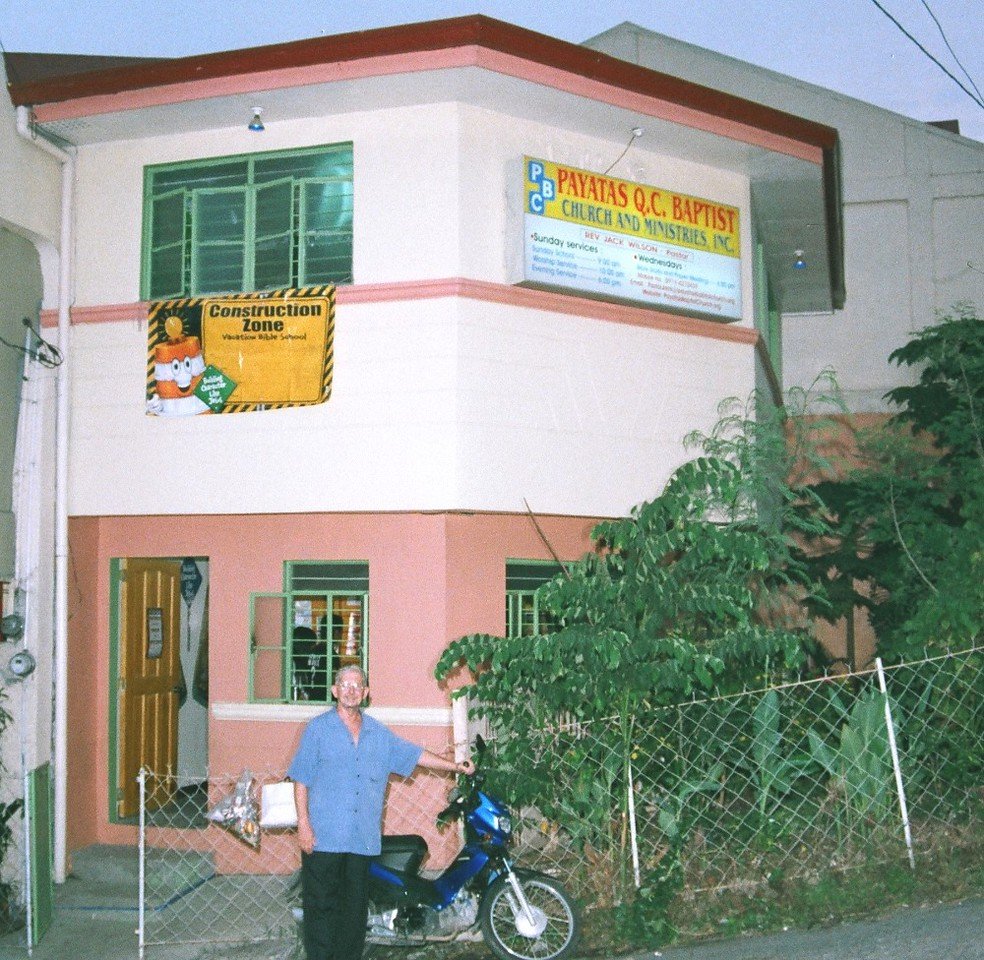

Arriving in the Philippines in July 2006
After a flight of more than 22 hours, including layovers, we arrived in Manila.
The taxi ride to our new home was a complete culture shock. Deteriorating shanties dotted the route. Children held out their hands, begging. The traffic made New York’s look light.
Our new home was provided by Malou’s sister. When we arrived, we found that the previous tenant had left unpaid water and gas bills. We had to pay those before we could get the services.
We had only $550 a month in support. That had to cover food, medicine, gas, electricity, telephone, transportation, and starting a church. Some pastors had promised support that would have brought us to $750, but those gifts did not come.
One pastor said he would not support us because I had met my wife on the internet. Twenty-seven years later, Malou and I are still going strong, along with our two daughters. She is the most godly Christian woman I have ever met.
A Personal Answer to Prayer
A week after arriving, I noticed that my pills were almost gone. The prescriptions cost $350 a month, which was most of our support.
So I prayed, “God, I don’t think you brought me here to kill me, so please either give me the money to buy my medicine or cure me.” He chose the latter.
I took a test a month after arriving, and the results were perfect. I took another at two months, with the same result. It seemed my new diet of fish, chicken, and vegetables was just what God had ordered!
And So We Grew
We went on to learn how to budget money, but especially how to pray. It was difficult, but one thing I said to God made all the difference.
I said, “Father, I have no idea what I am doing, but if you will tell me, I will obey.” It has worked out like this for twenty years. God is in charge.
As churches consider how churches can help children, I invite them to look at the work God has allowed us to do. Our purpose and statement of faith explain the foundations of our ministry.
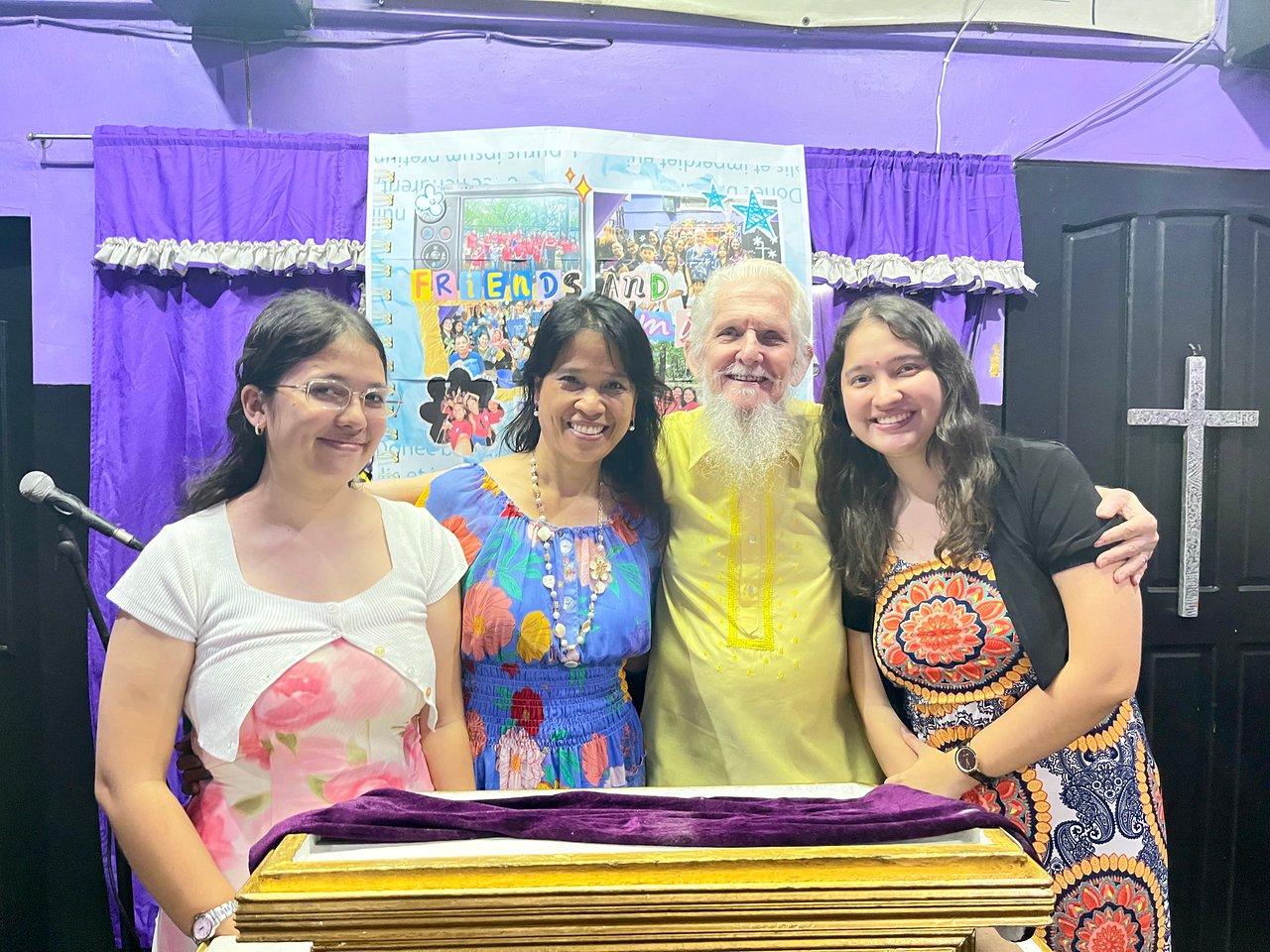
How Churches Can Help Children Through Partnership
What Motivates You to Support a Missionary?
Is it because you know the person? Is it because he comes from a church you recognize? Is it because his pastor is well known or is a friend of yours?
Or is it because you see the work he is called to do, believe in it, and believe God has called you to support him?
We have websites describing our work, along with updates from our arrival to the present. People on our mailing list receive monthly updates, and others can read the updates online.
We do that because we believe that when you give your money, you should be able to see where it is going. You can also browse thousands of ministry photos showing our work here.
You are welcome to visit and see the ministry. Please let us know about any special dietary needs so we can prepare for those.
I am asking you to look at the material, talk to God, and support us if He leads you to do so—for that reason alone. God bless your ministry as you seek His will.
Take the Next Step
Churches can help children through a partnership grounded in prayer and an understanding of the work. Review our board and leadership, explore the ministry links above, and contact us about church support.
If your church is ready to give, visit our donation page. Churches can help children by choosing a level of support they can sustain and staying connected with the ministry over time.
